Pandit Buddhadev Dasgupta
Sarod · 1933–2018
A Padma Bhushan-honoured master of the Senia–Shahjahanpur gharana, celebrated for the crystalline clarity and architecture of his playing. Swarnendu’s foundational guru.
 Contemporary space for ancient traditions
Saturday, November 7, 2026 · Inner Circle
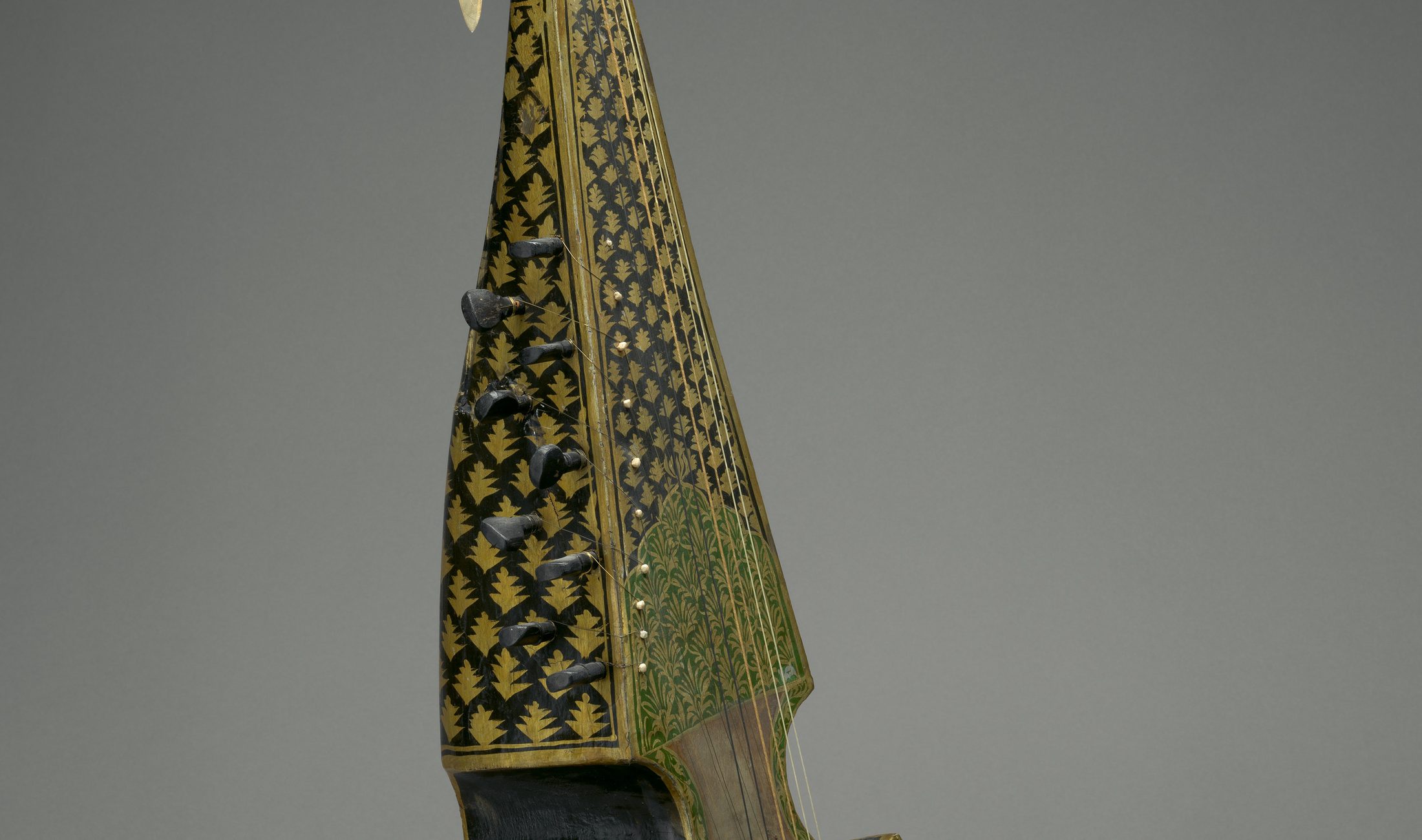
The sarod has no frets — only a gleaming steel fingerboard and the fingertips, gliding between notes the way a voice does. For one evening, one of its most gifted young players brings that voice into the room.
The Evening
Join us for an intimate, living-room concert featuring one of Hindustani classical music’s most exciting young voices. Bring your full attention — the sarod rewards it. A rare chance to sit just feet from a master-in-the-making and hear every nuance of a raga unfold in real time, in the warmth of a private home.
There is no stage and there are no barriers — only the natural resonance of the instrument in a quiet room, and the shared focus of a small audience. Capacity is strictly limited.
“No frets, no stops — only the glide. Of all the instruments, the sarod speaks closest to the human voice.”
The Artist
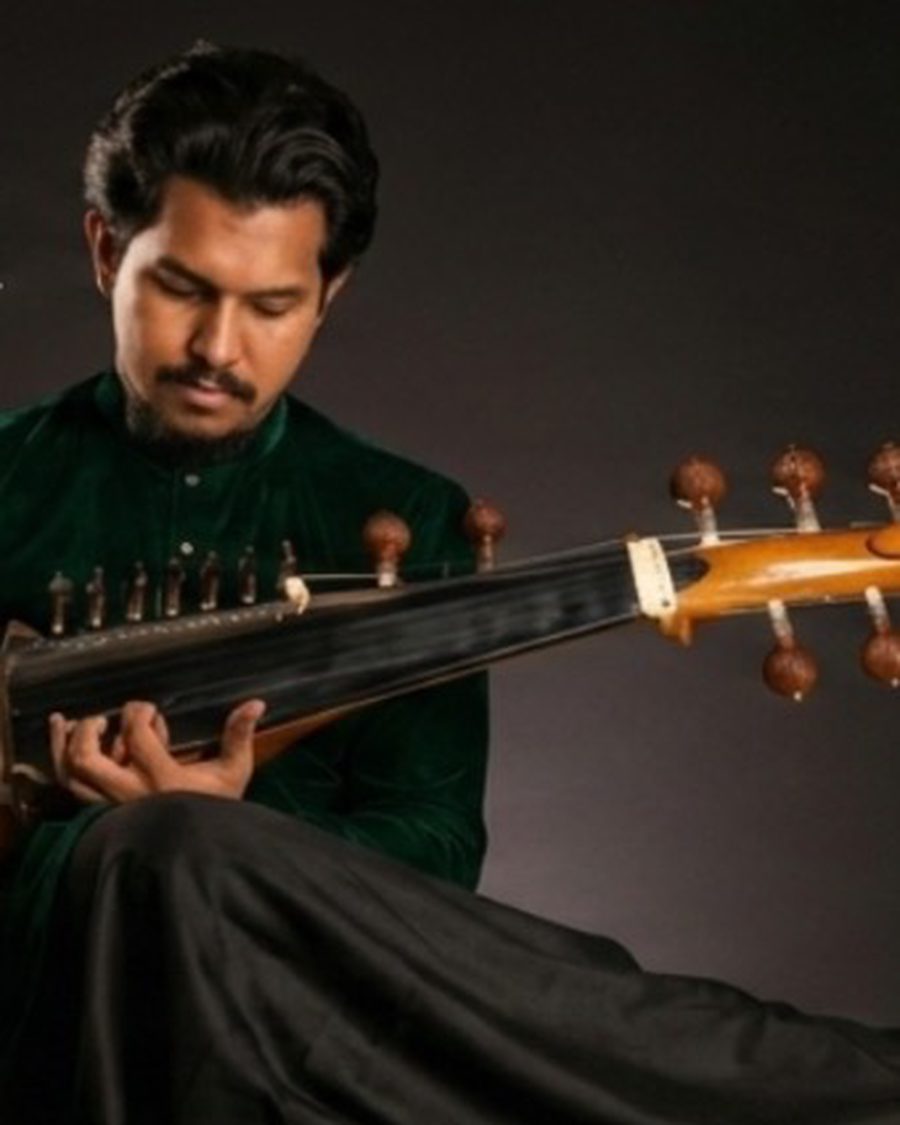
Born in Kolkata in 2000, Swarnendu Mandal is among the most accomplished young sarod players of his generation — a torchbearer of the Senia–Shahjahanpur gharana, the lineage prized for its purity of tone and deeply melodic approach to raga.
He trained for years with the late Padma Bhushan Pandit Buddhadev Dasgupta, and today continues as a senior scholar under Ustad Abir Hussain at the ITC Sangeet Research Academy. (He is also, improbably, a geologist — holding both a Bachelor’s and Master’s degree from Jadavpur University.)
He has performed at the G20 Summit in Varanasi (2023), the ITC Sangeet Sammelan (2022), and on tour across Germany and Austria, and took first place at the All-India Universities Youth Festival (2023). A graded artiste of All India Radio and Doordarshan, he also composes for film and documentary.
The Senia–Shahjahanpur gharana is one of the great schools of sarod — a lineage prized for the purity of its tone and its singing, deeply melodic approach to raga. Swarnendu carries it forward from two of its custodians.
Sarod · 1933–2018
A Padma Bhushan-honoured master of the Senia–Shahjahanpur gharana, celebrated for the crystalline clarity and architecture of his playing. Swarnendu’s foundational guru.
Sarod · ITC-SRA
Under whom Swarnendu now studies as a senior scholar at the ITC Sangeet Research Academy, Kolkata.
The Instrument
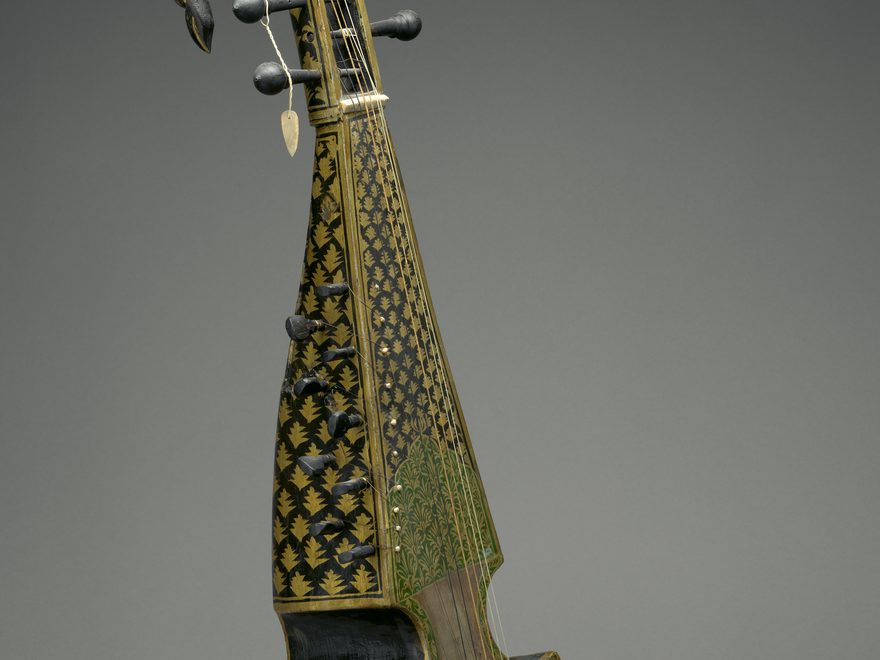
The sarod descends from the Afghan rubab: around 1855, Niamatullah Khan of Lucknow stripped away its frets, faced it with a polished steel plate, and replaced gut with metal strings. What emerged was an instrument of glides.
With no frets to stop the notes, the player presses the strings against bare metal with a fingernail and slides — producing meend, the continuous, vocal gliding that lies at the heart of Indian music. Its twenty-odd strings (melody, drone, chikari, and a bank of sympathetic strings) and skin-faced wooden body give the sarod its unmistakable sound: deep, weighty, and introspective, ringing with resonance long after the note is struck.
The Inner Circle
Inner Circle is more than a concert series — it is a fellowship of listeners. Join to receive invitations to our intimate evenings, often before they are announced anywhere else.